
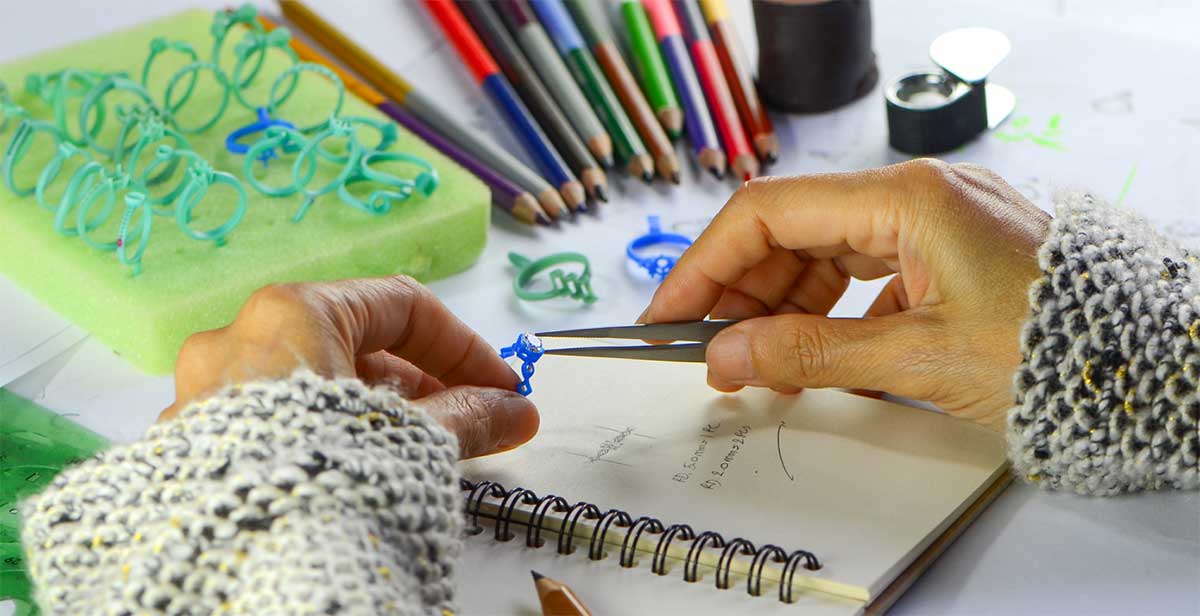
Wax carving and casting is a widely popular technique used in jewelry production due to the natural properties of wax.
Wax is easily manipulated which makes shaping, forming, and carving a forgivable process. It is a subtractive process but you can also add material which means that mistakes can be easily fixed. There are different options of wax varying from soft to hard wax to create unique shapes and textures for a different desired end product. While this is a largely popular technique, there are limitations to this process. When it comes to making intricate designs on a larger scale due to the high demand of today’s fast fashion, makers can find it to be difficult to keep up with the pace.
Before the wide use of modern digital softwares makers would turn their wax carvings into metal pieces through the process of wax casting. Wax casting can vary depending on the application and involves a handful of steps. In general, the following steps include: model making, assembling the wax pattern, applying investment material, burnout, pouring, devesting, and finishing. Parts of this process have evolved throughout the centuries to keep up with the needs of the relevant growing industries.
How Has Wax Carving & Casting Evolved into Modern Techniques?
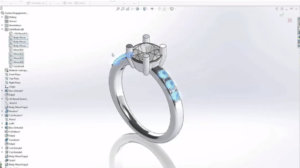 Modern technology has opened a realm of capabilities that has never been possible prior to the digital age. Computer Aided Design (CAD) and 3D printing follows a similar process of traditional wax carving and casting without the need for time-consuming skilled manual labor. These modern techniques have revolutionized the way jewelry designers and manufacturers work from design conceptualization all the way to producing. Designers can create their patterns using CAD softwares which then can be printed with high-resolution 3D printers. This mimics the process of wax carving models as previously mentioned. The 3D printed pattern can then be used for casting. An advantage of CAD models is that they can be modified quickly and a limitless amount of this pattern can be printed. Overall, modern digital technology has allowed for endless possibilities and scaling opportunities for jewelry business owners that were once limited by time-consuming lost-wax carving and casting.
Ancient Origins of Wax Carving & Casting
The wax carving and casting process are ancient techniques that date back 6,000 years and are still widely used by designers and sculptors for various 3D projects till this day. Aerospace, medical, automotive, dentistry and the jewelry industry are some examples in which wax casting are standard practices. Not only is this technique used across industries, wax carving objects have been found across most continents but have been most widely practiced by African sculptors since the 1400s. Overall, wax carving and casting has a rich history and is a fundamental skill for jewelry makers all around.
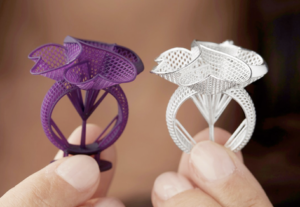 Apply your knowledge and make your own wax model and cast it into metal!
Now that you know the foundations of lost-wax carving and casting it’s time to apply your knowledge. If you’re interested in a hands-on experience of the techniques discussed, click here to learn about our upcoming Wax Carving and Casting class in April!